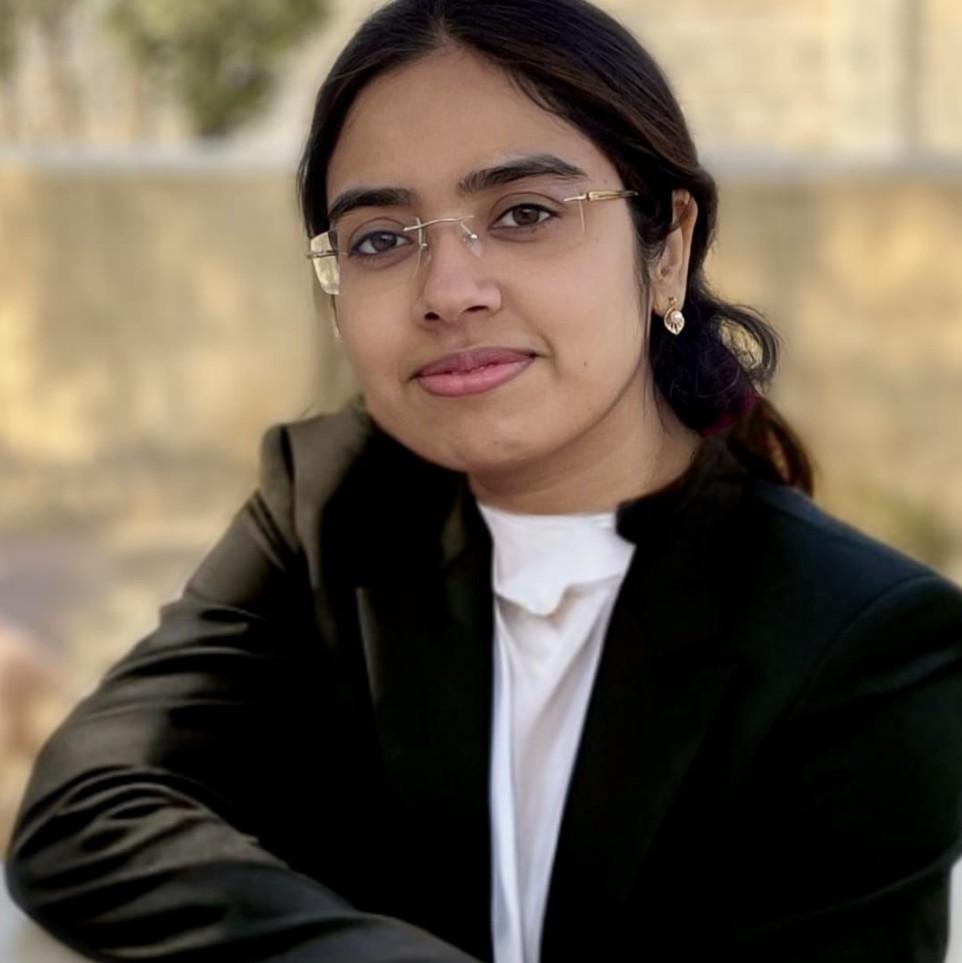
Hello, I’m Dr. Farah Naqvi. I am a psychologist, researcher and educator with nearly two decades of interdisciplinary experience in human behaviour, emotional wellbeing and personal development. My academic background combines a Master of Psychology and PhD with an MSc in Psychology of Mental Health & Wellbeing with Distinction from the University of Wolverhampton, UK (BPS-accredited programme). My work spans different stages of life, from children and young people experiencing emotional, behavioural or developmental challenges to adults navigating anxiety, stress, burnout, relationships, work pressures and major life transitions. I have a particular interest in neurodiversity, emotional regulation, resilience and personal growth. I look beyond symptoms and labels to understand the whole person their experiences, relationships, environment, strengths and the patterns that may be keeping them stuck. My aim is to help people understand themselves more deeply, reconnect with their strengths and find practical, meaningful ways forward.
Experience
15+ years
Time Zone
Asia/Dubai
Languages
English, Hindi, Urdu
License
PhD | MSc Psychology of Mental Health & Wellbeing with Distinction (UK; BPS-accredited programme) | Master of Psychology | Member, British Psychological Society (BPS) | Trained in CBT, Motivational Interviewing, Solution-Focused, Narrative & Person-Centred approaches | Additional training in ADHD, Sensory Integration & Behavioural Interventions
Availability
Mon: 09:00, 10:00, 11:00, 12:00, 13:00, 14:00, 15:00, 16:00, 17:00, 18:00, 19:00, 20:00 (and 6 more days)
Hello, I’m Dr. Farah Naqvi. I am a psychologist, researcher and educator with nearly two decades of interdisciplinary experience in human behaviour, emotional wellbeing and personal development. My academic background combines a Master of Psychology and PhD with an MSc in Psychology of Mental Health & Wellbeing with Distinction from the University of Wolverhampton, UK (BPS-accredited programme). My work spans different stages of life, from children and young people experiencing emotional, behavioural or developmental challenges to adults navigating anxiety, stress, burnout, relationships, work pressures and major life transitions. I have a particular interest in neurodiversity, emotional regulation, resilience and personal growth. I look beyond symptoms and labels to understand the whole person their experiences, relationships, environment, strengths and the patterns that may be keeping them stuck. My aim is to help people understand themselves more deeply, reconnect with their strengths and find practical, meaningful ways forward.
My therapeutic approach is integrative, person-centred and strengths-based, recognising that no single approach fits every individual. I seek to understand not only current concerns, but also the experiences, relationships and patterns that may be shaping them. I work with concerns across different life stages, considering factors such as emotional regulation, executive functioning, resilience, relationships and the wider family, educational or workplace context. My work draws on Cognitive Behavioural Therapy (CBT), Solution-Focused Brief Therapy, Motivational Interviewing, Narrative Therapy and Person-Centred approaches, alongside psychological formulation, psychoeducation and emotional-regulation strategies. Where relevant, I also consider attachment, developmental, trauma-informed and cultural perspectives. Rather than focusing only on symptoms or labels, I work collaboratively with clients to understand what may be underlying or maintaining their difficulties, recognise existing strengths and resources, and develop practical ways forward. The aim is to foster greater self-awareness, resilience and meaningful, sustainable change. My aim is not simply to ask “What is wrong?” but to explore “What has shaped this experience, what is keeping it going, and what can help you move forward?”
Warm, calm, empathetic, and non-judgemental. I want our conversations to feel human rather than overly clinical. I listen carefully, ask thoughtful questions, and give you the space to explore difficult experiences at a pace that feels comfortable. You can expect a collaborative conversation where you feel heard and respected, while also gaining psychological insight and practical ways of moving forward.